Introduction
The entertainment industry is entering an era where technology, fame, and global influence intersect more closely than ever before. Artificial intelligence is transforming how films are made, how celebrities engage with audiences, and how global viewers consume entertainment. As AI systems learn to analyze emotions, predict audience preferences, and even generate scripts, the boundary between creativity and computation continues to blur.
At the same time, Hollywood’s influence has evolved beyond the red carpet. The digital age has turned actors into global voices who shape discussions on politics, technology, and climate change. The union of AI innovation and celebrity activism is not just redefining stardom—it’s rewriting the rules of cultural influence in the 21st century.
AI and the Future of Film Production
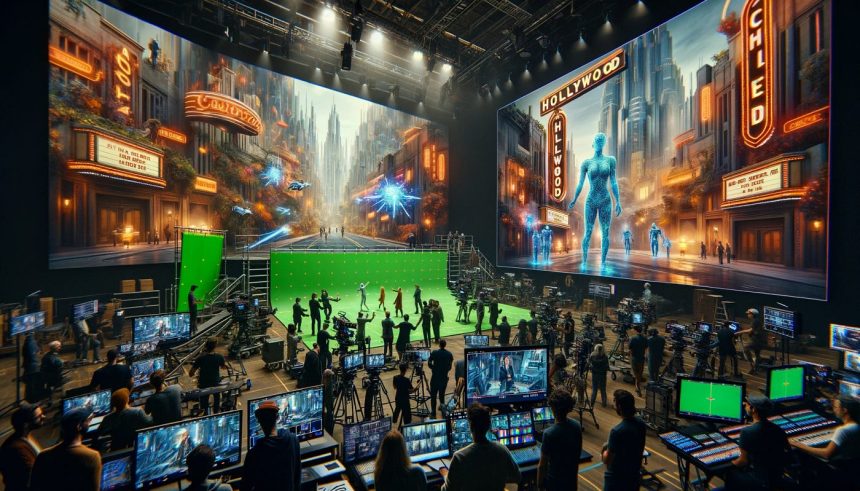
Artificial intelligence is now at the heart of modern filmmaking. Studios employ AI tools to enhance visual effects, simulate natural lighting, and predict which storylines will resonate with audiences. Machine learning algorithms analyze past box office trends to guide directors and producers in crafting content that maximizes emotional impact and commercial success.
This data-driven approach has also extended to casting and marketing. AI can predict chemistry between actors, optimize release timing, and even determine how trailers should be edited for specific demographics. While this increases efficiency, it also raises questions about creativity and artistic freedom in a machine-assisted world.
Celebrity Activism in the Age of Technology
Today’s celebrities are more than entertainers—they are advocates who use digital platforms to influence political, social, and environmental change. Figures like Leonardo DiCaprio, Emma Watson, and Zendaya combine technology-driven outreach with global activism, amplifying their messages to millions through social media and AI-enhanced engagement tools.
The fusion of celebrity power and digital strategy has made advocacy campaigns more impactful. Whether it’s supporting sustainable fashion or climate awareness, AI analytics help celebrities understand what content resonates most with followers, ensuring that their voices drive measurable results in global movements.
The Globalization of Digital Fame
Streaming platforms and social media have erased borders in the entertainment world. A rising actor in Seoul can achieve global recognition overnight, while a musician in Lagos can dominate U.S. charts through algorithmic recommendations. AI-driven platforms like Netflix, Spotify, and TikTok are turning local talent into international sensations.
This democratization of fame has made celebrity culture more inclusive, but it also brings new pressures. As artists gain instant visibility, they must navigate complex digital ecosystems, balancing personal authenticity with algorithmic demands. Global fame, once a privilege of few, has become accessible—but also more volatile than ever before.
Political Influence of Celebrity Voices
Celebrities have become political messengers in the modern digital era. When stars like Taylor Swift or Robert Downey Jr. express their views online, millions of fans engage, debate, and mobilize. Social media, empowered by AI algorithms, amplifies these voices to a scale traditional politicians could only dream of.
However, this influence comes with responsibility. Political messaging by public figures can shape elections, sway opinions, and even redefine national narratives. As AI-driven platforms decide what content gains visibility, the line between political engagement and digital manipulation grows increasingly thin.
Ethical Dilemmas in AI-Generated Art and Celebrity Replicas
AI-generated art and digital replicas of celebrities are sparking debates about ethics and ownership. From virtual influencers to resurrected actors in film through deepfake technology, Hollywood faces a dilemma: should creativity be protected from replication, or embraced as part of evolution?
Studios now grapple with consent, intellectual property rights, and emotional authenticity in digital performances. Fans may enjoy the nostalgia of seeing a long-deceased icon on screen, but creators must ask whether such innovation honors or exploits artistic legacy.
The Economics of the AI Entertainment Industry
AI is not only reshaping storytelling—it’s transforming the economics of Hollywood. Predictive models now determine where studios should invest, which genres are most profitable, and how to reduce production costs through automation. AI-driven localization tools even allow simultaneous global releases by auto-translating dialogue and subtitles in real time.
For smaller creators and independent filmmakers, these tools offer new opportunities. Low-budget productions can now compete with major studios using AI-enhanced editing and virtual effects. Yet, as technology becomes more powerful, the risk of monopolization by major corporations grows, potentially limiting creative diversity in the long run.
FAQs
How is AI changing the film industry?
AI streamlines production, predicts audience behavior, and enhances visual effects, helping studios make smarter creative and financial decisions.
Can AI replace actors or filmmakers?
While AI can replicate performances or write scripts, human creativity and emotion remain irreplaceable in storytelling and performance.
Why are celebrities using technology for activism?
Digital platforms and AI analytics allow celebrities to target global audiences efficiently, making their advocacy campaigns more impactful.
Is AI-generated art ethical?
It depends on consent and transparency. Using AI to recreate or replicate artists raises serious questions about ownership and authenticity.
Will AI make filmmaking more inclusive?
Potentially, yes. AI tools lower production barriers, enabling more diverse voices to enter the industry, though corporate dominance remains a concern.
Conclusion
The entertainment industry stands at a defining crossroads where artificial intelligence and human creativity intertwine. Hollywood’s embrace of technology has expanded its global reach, empowered celebrity activism, and reimagined the business of storytelling. Yet, the challenge lies in ensuring that innovation does not overshadow artistic integrity or ethical responsibility.
As AI continues to evolve, the future of entertainment will depend on balance—between machines and emotion, data and creativity, fame and accountability. The next generation of stars and storytellers will not only captivate audiences but also shape the moral and technological fabric of our digital civilization.