Introduction
The boundaries between technology, celebrity, and politics have blurred, giving rise to a new kind of global influence. Artificial intelligence now drives the entertainment industry, guides political campaigns, and shapes public perception through predictive algorithms. Celebrities, meanwhile, have evolved into digital diplomats, their social voices carrying as much weight as traditional leaders.
In this interconnected world, fame is not confined to the screen or the stage—it’s algorithmically engineered, politically significant, and globally accessible. The merging of AI and cultural power has created a new ecosystem of influence, where attention is the ultimate currency and digital reputation can shape real-world policy.
AI’s Role in Shaping Modern Fame
Artificial intelligence has revolutionized the entertainment landscape by analyzing trends, predicting audience preferences, and curating personalized experiences. Streaming platforms like Netflix and Spotify use machine learning to decide which artists, actors, and creators gain global exposure. The rise or fall of a celebrity can now hinge on an algorithm’s recommendation.
This data-driven fame is transforming how stars are made and managed. AI tools can analyze emotional tones in performances, generate scripts, and even compose music, allowing entertainment companies to design success scientifically. However, this precision also reduces creativity to numbers, raising questions about authenticity in an era of algorithmic stardom.
The Political Dimensions of Celebrity Power
In today’s hyper-digital society, celebrities hold more sway over political discourse than ever before. When figures like Taylor Swift, John Boyega, or Billie Eilish express opinions, their messages reach millions instantly. This influence can mobilize voter turnout, change policy priorities, and even redefine political identity.
Politicians recognize this shift, often partnering with influencers to humanize their messages. Social platforms amplify these collaborations through AI-driven engagement systems that push emotional and provocative content. As a result, fame has become a political tool, bridging entertainment and governance in unexpected ways.
Technology and the Reinvention of Public Image
AI-driven analytics now allow public figures to manage their images with unprecedented precision. Social listening tools track audience sentiment in real time, guiding how celebrities respond to controversies or launch campaigns. Virtual stylists, AI-written posts, and predictive marketing strategies make fame a carefully calculated performance.
This technological management of reputation raises philosophical questions about authenticity. Are digital personas genuine reflections of the people behind them, or carefully optimized illusions designed to sustain public favor? In the algorithmic age, even sincerity has become data-driven.
Global Media and the Spread of Cultural Power
AI is accelerating the globalization of celebrity culture, allowing entertainment from one country to dominate another’s screens overnight. Korean pop stars, Nigerian filmmakers, and Latin American influencers now reach Western audiences instantly, thanks to algorithmic recommendations that cross linguistic and cultural barriers.
This global reach fosters diversity in entertainment, but it also centralizes power within a few digital corporations that control recommendation systems. Cultural exchange has never been easier, yet it remains curated by algorithms that decide which stories the world gets to see.
The Ethical Implications of Synthetic Fame
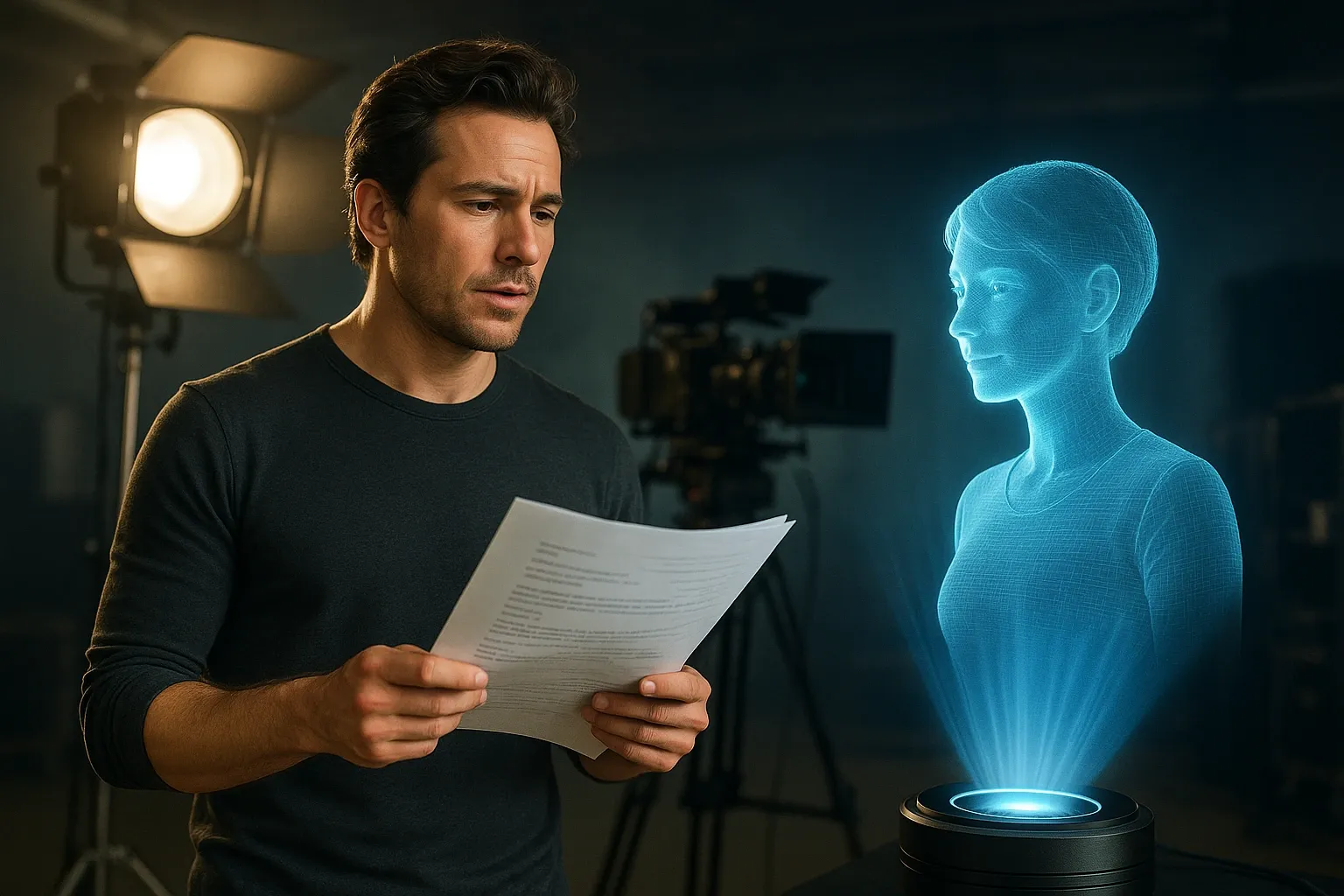
The rise of virtual influencers—AI-generated personas with millions of followers—has blurred the line between reality and simulation. These digital celebrities collaborate with brands, shape trends, and even engage in activism, all without human existence.
While this new form of entertainment fascinates audiences, it also challenges the concept of authenticity. Who is accountable when a virtual figure promotes misinformation or offensive content? As artificial identities gain fame, society must redefine the ethics of influence in a world where not every star is real.
The Merging of Politics, Technology, and Global Diplomacy
Artificial intelligence is also reshaping international relations through digital diplomacy. Nations use AI tools to predict political shifts, manage narratives, and engage global audiences through social media. Political figures increasingly rely on data-driven image strategies similar to those used by celebrities, making influence management a shared art across domains.
This convergence highlights a new geopolitical reality: technology is the stage, and data is the dialogue. The ability to capture global attention has become as valuable as traditional military or economic power. In this sense, the influencer age is not just cultural—it is deeply political.
FAQs
How does AI influence celebrity culture today?
AI curates exposure by analyzing trends and user behavior, helping entertainment platforms decide which artists or actors gain visibility globally.
Can celebrities shape political movements through technology?
Yes, social media and AI amplification give celebrities the power to mobilize millions, influencing elections, activism, and public opinion.
Are virtual influencers real people?
No, they are AI-generated personas designed to simulate human behavior online. They collaborate with brands and audiences but lack true consciousness.
What role does AI play in global politics?
Governments use AI to analyze public sentiment, manage information, and strengthen digital diplomacy strategies across international borders.
Is algorithmic fame sustainable?
It can be, but it depends on adaptability. As algorithms evolve, celebrities and influencers must continually reinvent themselves to remain relevant.
Conclusion
Artificial intelligence has redefined fame, politics, and culture, merging them into a single network of influence. The modern celebrity is part activist, part entrepreneur, and part data product—navigating a world where visibility is determined by algorithms and sustained by global attention.
As technology continues to evolve, society must decide what kind of influence it values: authentic human creativity or algorithmic perfection. The digital future will not only test how stars are made but also how truth, identity, and power are defined in an era where fame transcends the human experience.