
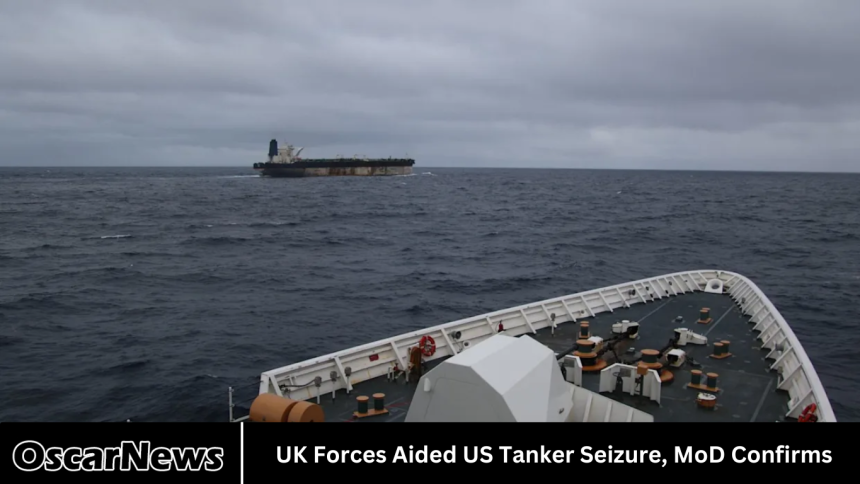
The tanker seizure incident occurred during heightened maritime tensions involving a strategic shipping routThe vesselssel carried significant energy cargo, making the operation sensitive for global trade flows. US naval assets led the interception process, supported by allied forces, including UK military units. Ministry of Defence later confirmed UK assistance, clarifying the role within the multinational framework.
Strategic waterways remain critical for global energy supply chains. Tankers transit through contested zones where geopolitical rivalries, sanctions enforcement, and maritime security threats converge. Recent seizure reflected enforcement of international regulations tied to sanctions regimes, maritime law compliance, and national security considerations.
Role Of UK Forces During Operation
UK Forces aided the US tanker seizure through intelligence sharing, surveillance support, logistical coordination, and maritime situational awareness. Royal Navy assets reportedly contributed reconnaissance capabilities, communications liaison, and operational planning assistance. Ministry of Defence emphasized a lawful basis for involvement and alignment with international obligations.
British defence officials underlined their commitment to freedom of navigation, protection of international shipping lanes, and deterrence against unlawful maritime activity. UK participation reinforced interoperability between allied navies, demonstrating readiness for rapid response operations.
More Read: Venezuela and Beyond: “America First” as a Cover for Neo-Imperial Ambitions
MoD Confirmation And Official Statements
Ministry of Defence confirmation followed media speculation regarding British involvement. A spokesperson statstated thatforces provided support at the request of US partners, consistent with longstanding defence cooperation agreements. The statement stressed operation adhered to international law frameworks.
Officials avoided detailed operational disclosures, citing security concerns. However, confirmation alone carried political weight, reinforcing transparency expectations within democratic governance. Parliamentary interest emerged soon after the announcement, with lawmakers requesting briefings.
Strategic Importance Of UK US Defence Cooperation
UK-US defence partnership remains cornerstone of transatlantic security architecture. Joint operations span maritime patrols, intelligence exchange, nuclear deterrence coordination, and cyber defence initiatives. Tanker seizure assistance illustrated the practical execution of alliance commitments beyond formal treaty language.
Shared values underpin collaboration, including rule-based international order, maritime law enforcement, and counter proliferation efforts. UK forces aiding US naval actions sends a signal to adversaries, considering the disruption of commercial shipping.
Maritime Security And Global Trade Implications
Maritime security operations directly affect global trade stability. Energy markets react swiftly to tanker seizures due to supply risk perceptions. UK support enhanced the credibility of enforcement action, reducing the likelihood of escalation through multilateral legitimacy.
Shipping insurers monitor such incidents closely. Naval presence by allied forces often reassures commercial operators, mitigating risk premiums. UK involvement signaled readiness to protect sea lanes essential for European energy security.
Legal Framework Governing Tanker Seizures
Tanker seizure operations rely on complex legal justifications. International maritime law, United Nations conventions, and sanctions enforcement mechanisms define permissible actions. Ministry of Defence highlighted the legality of assistance, confirming compliance with established frameworks.
Legal experts note seizures may involve flag state consent, port state jurisdiction, sanctionsions violat. Participation implies a legal review process preceded by engagement, ensuring adherence to domestic law obligations.
Political Reactions Within the United Kingdom
Political response varied across party lines. Government ministers defended the action as a responsible security contribution. Opposition figures demanded clarity regarding objectives, risks, and escalation potential. Parliamentary committees signaled their intention to review the circumstances surrounding the operation.
Public opinion reflected broader concerns about Middle East tensions, energy prices, and military entanglements. Ministry of Defence messaging sought reassurance, framing the role as limited, defensive, alliance driven.
International Reactions And Diplomatic Impact
International reaction followed swiftly after the MoD confirmation. Allies expressed support for the enforcement of maritime law. Some regional actors criticized the seizure, framing the event as a provocation. Diplomatic channels were activated to manage fallout.
UK diplomatic missions engaged partnersexpoundpthe the lain rationale and emphasize the multilateral nature of the operation. Support from European allies underscored shared concerns regarding shipping security.
Royal Navy Capabilities Highlighted
Operation spotlighted Royal Navy capabilities across surveillance, intelligence, and command integration. UK naval forces maintain advanced sensors, communication systems, and experienced crews adept at joint operations.
Defence analysts view assistance as a demonstration of the UK’s relevance within global maritime security efforts. Despite fleet size debates, targeted contributions deliver strategic impact when aligned with allies.
Energy Security Considerations
Energy security remains a central concern, driving maritime enforcement actions. Tankers transport oil, gas, and refined products vital for economic stability. Disruption risks ripple effects across markets.
UK involvement reflects awareness of vulnerability stemming from energy import reliance. Supporting US enforcement contributoward safeguarding flows critical for domestic and allied economies.
Regional Context And Ongoing Tensions
Tanker seizure occurred amid regional tensions involving sanctions, proxy conflicts, and naval posturing. Maritime incidents increasingly feature within broader geopolitical competition.
UK participation signals deterrence posture, discouraging attempts to exploit perceived divisions among Western allies. Coordinated action reduces miscalculation risk through a clear demonstration of unity.
Media Coverage And Public Narrative
Media coverage focused heavily on MoD confirmation, alliance implications, and legality debates. Headlines emphasized UK Forces aided US tanker seizure, shaping public discourse.
Analysts noted that transparency contrasted with earlier eras of covert government communication strategy aimed to preempt misinformation and maintain narrative control.
Implications For Future Operations
Operation sets precedent for future joint maritime actions. UK foisare es likely continue supporting allied enforcement when aligned with national interests and legal frameworks.
Defence planners may draw lessons regarding rapid coordination, intelligence fusion, and political communication. Parliamentary oversight processes could evolve, demanding earlier disclosure protocols.
Military Readiness And Interoperability
Interoperability remains a critical factor enabling such operations. Shared training, standardized procedures, and compatible technology allow seamless cooperation. UK-US naval exercises over the decades built a foundation enabling swift tanker seizure support.
Military readiness investments sustain capacity for similar engagements across diverse theaters.
Economic And Shipping Industry Response
The shipping industry monitors government actions affecting routes and insurance costs. UK confirmation reassured operators regarding enforcement consistency, reducing uncertainty.
Energy traders reacted cautiously, factoring in potential supply disruptions. Market stability was largely maintained due to the limited scope and allied coordination.
Strategic Messaging Toward Adversaries
Joint operation delivered a strategic message to actors challenging maritime norms. Demonstrated willingness to act collectively, enforce rules, and protect commerce.
UK participation amplified the credibility of the message, showing medium power allies contribute tangible support, not symbolic gestures.
Public Accountability And Transparency
MoD confirmation supports public accountability norms. Transparency regarding military involvement strengthens democratic oversight and informed debate.
Balancing operational security with openness remains a challenge. Ministry of Defence opted for measured disclosure, confirming role without compromising tactics.
Expert Analysis And Commentary
Security experts largely viewed UK assistance as prudent alliance behavior. Some cautioned against mission creep and escalation risk. Others highlighted deterrent value and legal compliance importance.
Academic commentators emphasized maritime law’s significance, warning of erosion risks if enforcement is inconsistent.
Frequently Asked Question
What happened during the tanker seizure?
US naval forces seized an oil tanker during a maritime security operation with support from UK forces.
Why did UK forces assist the US operation?
UK forces provided support under defence cooperation agreements and shared maritime security objectives.
What role did UK forces play?
UK forces assisted through intelligence sharing, surveillance, coordination, and operational support.
Did the Ministry of Defence confirm involvement?
Yes, the Ministry of Defence officially confirmed UK assistance during the operation.
Was the tanker seizure legal?
MoD stated operation followed international maritime law and sanctions enforcement frameworks.
How does a seizure affect global shipping?
Such actions aim to protect shipping routes, discourage unlawful activity, and maintain trade stability.
Will the UK support similar operations again?
UK is likely continue supporting allied maritime security actions when aligned with the law and national interest.