


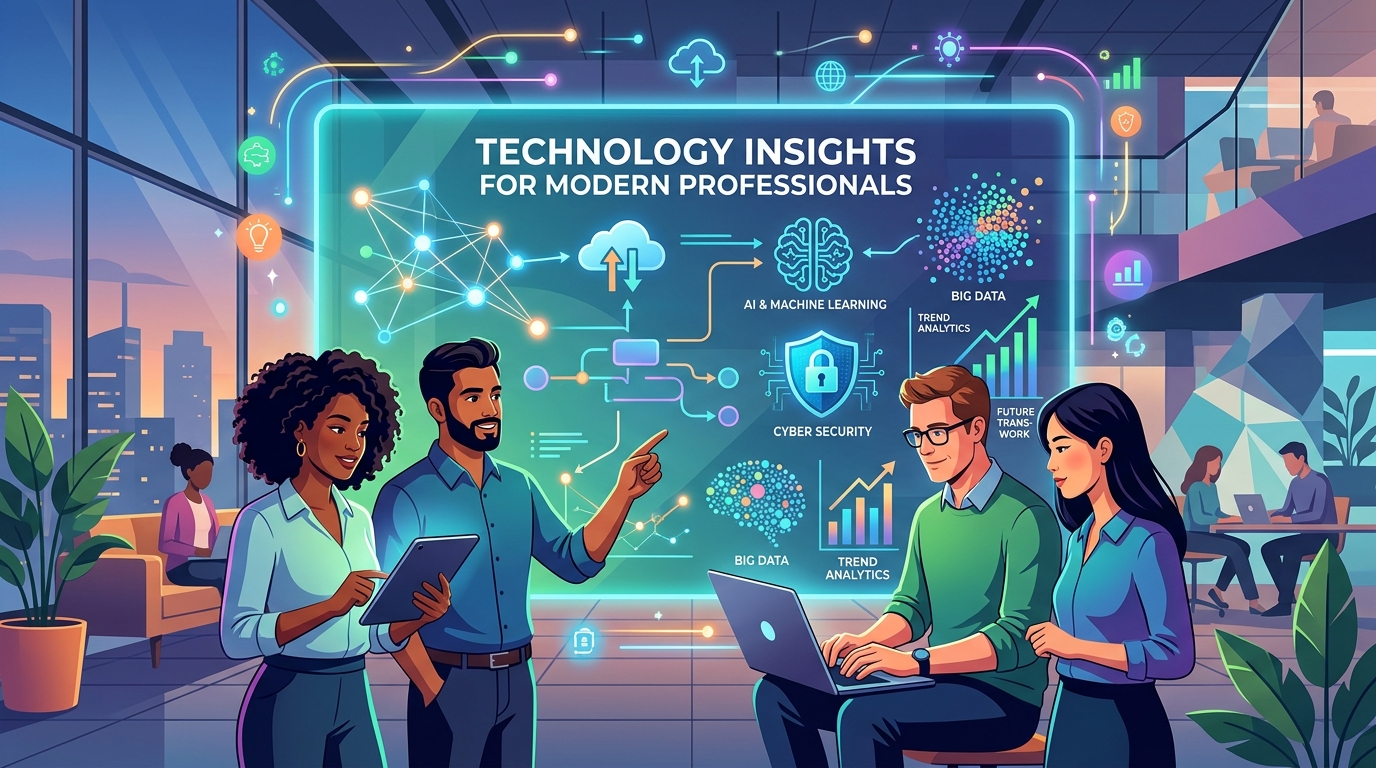
Modern professionals operate in a fast-changing digital world where technology defines productivity, communication, and decision-making. From artificial intelligence to cloud computing and automation tools, technology is reshaping how work is done across industries. Professionals who understand and adopt these innovations gain a strong advantage in efficiency, career growth, and global competitiveness.
Artificial Intelligence in Professional Work
AI Productivity Assistants
AI productivity assistants help professionals manage tasks, schedules, and reminders efficiently. They automate routine work, summarize information, and provide smart suggestions. This reduces workload pressure and improves time management, allowing employees to focus on higher-value strategic tasks in fast-paced business environments effectively.
Machine Learning Decision Systems
Machine learning systems analyze large datasets to support better decision-making in professional settings. They identify patterns, predict outcomes, and improve accuracy in business strategies. Professionals use these insights to reduce risks, optimize operations, and make more informed decisions in competitive industries.
AI-Powered Content Creation
AI tools assist professionals in creating reports, presentations, and marketing content quickly. These systems improve writing quality, save time, and enhance creativity. Businesses benefit from faster content production while maintaining consistency and relevance across different communication channels.
Intelligent Customer Support Tools
AI-based customer support systems handle inquiries automatically using chatbots and virtual assistants. They provide instant responses, improve customer satisfaction, and reduce operational costs. Professionals in service industries rely on these tools to deliver faster and more efficient support.
Predictive Analytics Systems
Predictive analytics tools forecast trends and outcomes based on historical data. Professionals use these systems to plan strategies, improve sales forecasting, and manage risks effectively. This enhances business performance and supports proactive decision-making.
Cloud Computing and Remote Work
Cloud Storage Solutions
Cloud storage systems allow professionals to store and access data securely from anywhere. This improves flexibility, collaboration, and data protection. Teams can work remotely without dependency on physical storage devices.
Remote Collaboration Platforms
Remote collaboration tools enable teams to communicate, share files, and manage projects online. These platforms improve productivity and ensure seamless teamwork across different time zones and locations.
Virtual Meeting Technologies
Virtual meeting systems allow real-time communication through video conferencing. They reduce travel costs, improve communication efficiency, and support global business operations effectively.
SaaS Business Applications
Software-as-a-Service platforms provide cloud-based tools for accounting, marketing, and project management. Professionals benefit from easy access, automatic updates, and cost efficiency.
Cloud Security Systems
Cloud security tools protect sensitive data from cyber threats and unauthorized access. They ensure compliance, improve trust, and safeguard business information in digital environments.
Digital Productivity Tools
Task Management Applications
Task management tools help professionals organize workflows, assign priorities, and track progress. They improve efficiency and ensure timely completion of projects.
Calendar Scheduling Systems
Smart scheduling tools automate meeting planning and time management. They reduce conflicts, improve coordination, and enhance productivity in professional environments.
Automation Workflow Tools
Workflow automation systems handle repetitive tasks such as data entry and reporting. This saves time and reduces human error in business operations.
Note-Taking Digital Platforms
Digital note tools help professionals capture ideas, organize information, and access notes across devices. They improve learning and knowledge retention.
File Organization Systems
Smart file management tools categorize and store documents efficiently. This improves accessibility, reduces clutter, and enhances workplace productivity.
Cybersecurity Awareness for Professionals
Data Protection Strategies
Data protection systems safeguard sensitive business information from cyber threats. Professionals use encryption and secure access controls to maintain safety.
Phishing Detection Tools
Phishing detection systems identify fraudulent emails and websites. They help professionals avoid scams and protect personal and company data.
Multi-Factor Authentication Systems
Multi-factor authentication adds extra security layers for account access. This reduces unauthorized access risks significantly in digital environments.
Network Security Monitoring
Network monitoring tools track activity and detect suspicious behavior. They help prevent cyberattacks and ensure secure communication systems.
Secure Cloud Practices
Secure cloud usage involves strong passwords, encryption, and regular updates. Professionals ensure data safety while using online platforms.
Data Analytics in Modern Work
Business Intelligence Tools
Business intelligence systems analyze company data to generate insights. Professionals use these tools to improve decision-making and strategy planning.
Data Visualization Platforms
Visualization tools convert complex data into charts and graphs. This helps professionals understand trends quickly and clearly.
Real-Time Analytics Systems
Real-time analytics provide instant data insights. Professionals can respond quickly to market changes and improve performance.
Customer Behavior Analysis
Behavior analysis tools study customer patterns to improve marketing and service strategies effectively.
Performance Tracking Dashboards
Dashboards display key metrics in real time. Professionals use them to monitor goals and improve productivity.
Communication Technology Trends
Unified Communication Systems
Unified platforms combine messaging, calls, and video in one system. This improves collaboration and reduces communication gaps.
AI Translation Tools
Translation tools help professionals communicate across languages instantly. This supports global business operations and cross-border collaboration.
Smart Email Management
AI email systems sort, prioritize, and respond to messages automatically. This improves efficiency and reduces workload.
Voice Recognition Systems
Voice technology converts speech into text for faster communication and documentation. It enhances accessibility and productivity.
Digital Networking Platforms
Professional networking platforms help individuals connect, share opportunities, and build career relationships globally.
Future Technology Trends for Professionals
Artificial Intelligence Expansion
AI will continue to transform industries by automating tasks and improving decision-making processes across all sectors.
Hybrid Work Environments
Hybrid work models will combine remote and in-office work, offering flexibility and improved work-life balance.
Blockchain Professional Applications
Blockchain will improve transparency and security in finance, contracts, and data management systems.
Internet of Things Integration
IoT devices will connect workplaces, improving automation and real-time monitoring of systems and equipment.
Augmented Reality Work Tools
AR tools will enhance training, design, and collaboration by creating immersive professional environments.
Conclusion
Technology is reshaping the modern professional landscape by improving efficiency, communication, and decision-making. Professionals who adopt digital tools, AI systems, and cloud technologies gain a strong competitive advantage. As innovation continues, staying updated with emerging technologies will be essential for long-term career growth and success in an increasingly digital global workplace.
