


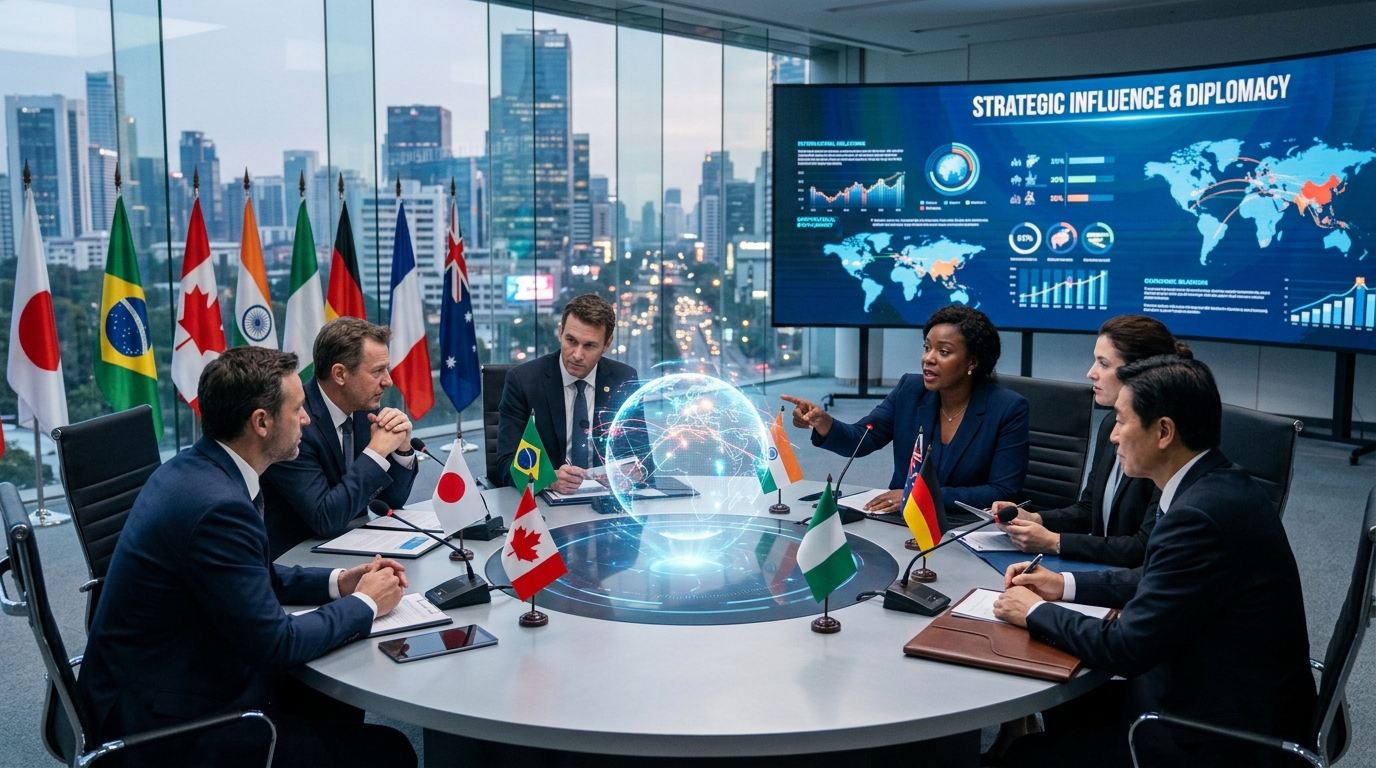
Modern politics is no longer shaped only by traditional diplomacy or military strength. Today, political strategies are deeply influenced by media narratives, economic pressure, digital communication, and global alliances. Governments use a combination of soft power, data analysis, and strategic partnerships to strengthen influence both domestically and internationally. These strategies determine how nations negotiate, compete, and cooperate in an increasingly interconnected world where information and perception are as powerful as resources.
Diplomatic Influence Strategies
Soft Power Expansion Methods
Soft power focuses on influencing other nations through culture, values, education, and diplomacy rather than force. Countries invest in cultural exports, international aid, and educational programs to build positive global perception. This strengthens long-term relationships and increases global influence without direct confrontation.
Bilateral Relationship Building
Bilateral diplomacy strengthens ties between two countries through trade agreements, security cooperation, and political dialogue. These relationships help nations resolve conflicts peacefully and expand economic opportunities. Strong bilateral relations improve stability and mutual trust in international affairs.
Multilateral Alliance Formation
Multilateral alliances involve multiple countries working together through organizations and treaties. These alliances promote shared goals such as security, trade, and environmental protection. Cooperation within groups like international forums increases collective bargaining power and global stability.
Diplomatic Negotiation Techniques
Negotiation strategies are used to resolve conflicts and reach agreements between nations. Skilled diplomacy requires compromise, strategic communication, and long-term planning. Effective negotiation helps avoid conflicts and strengthens international cooperation.
Foreign Policy Adaptation
Foreign policies are continuously adjusted based on global events, economic shifts, and security concerns. Adaptive strategies allow nations to respond quickly to international changes. This flexibility improves national security and global positioning.
| Strategy Type | Purpose | Global Impact |
|---|---|---|
| Soft Power | Influence | Cultural dominance |
| Alliances | Cooperation | Global stability |
| Negotiation | Conflict resolution | Peacebuilding |
Economic Power Strategies
Trade Policy Optimization
Trade policies regulate imports, exports, and tariffs to strengthen national economies. Strategic trade agreements increase market access and economic growth. Countries use trade policies to gain competitive advantages globally.
Sanctions And Economic Pressure
Sanctions are used to influence political behavior by restricting trade or financial transactions. These measures create economic pressure on targeted nations. Sanctions are powerful tools in international diplomacy.
Foreign Investment Attraction
Attracting foreign investment strengthens economic development and job creation. Governments offer incentives to encourage global businesses to invest. This improves infrastructure and economic stability.
Currency Strength Management
Managing currency value impacts trade competitiveness and inflation control. Governments use monetary policies to stabilize their economies. Strong currency management supports global economic influence.
Resource Control Strategies
Control over natural resources such as oil, gas, and minerals enhances geopolitical power. Resource-rich nations use this advantage in international negotiations. Resource management plays a key role in global influence.
Digital Political Strategies
Social Media Influence Campaigns
Social media platforms are used to shape public opinion and political narratives. Governments and organizations use targeted messaging to influence audiences. Digital campaigns increase political reach and engagement.
Cyber Diplomacy Growth
Cyber diplomacy involves using digital tools for international communication and negotiation. It improves response speed and global coordination. This strategy strengthens modern diplomatic relationships.
Data Driven Governance
Governments use data analytics to design policies based on public behavior and trends. Data-driven decisions improve efficiency and policy accuracy. This enhances trust and governance quality.
Online Public Opinion Management
Managing public perception online is crucial for political stability. Governments monitor digital platforms to understand sentiment and respond effectively. This influences political outcomes.
Information Warfare Tactics
Information strategies involve controlling narratives and countering misinformation. These tactics are used to protect national interests. Information control is a key part of modern politics.
Military And Security Strategies
Defense Modernization Programs
Countries invest in advanced military technology to strengthen defense systems. Modernization improves security and deterrence capabilities. It ensures national protection in global conflicts.
Strategic Military Alliances
Military alliances enhance collective defense and security cooperation. Nations support each other during conflicts and emergencies. These alliances increase global stability.
Cybersecurity Defense Systems
Cybersecurity protects national infrastructure from digital attacks. Governments invest heavily in cyber defense technologies. This is essential for modern national security.
Intelligence Sharing Networks
Countries share intelligence to prevent threats and improve security coordination. This helps in counterterrorism and global safety efforts. Intelligence cooperation strengthens international trust.
Border Security Management
Effective border control ensures national safety and regulates immigration. Advanced monitoring systems improve security and reduce illegal activities. Strong borders support national stability.
Geopolitical Positioning Strategies
Regional Power Balancing
Nations maintain balance by forming alliances and counter-alliances. This prevents dominance by a single global power. It ensures geopolitical stability.
Strategic Location Advantage
Countries with key geographical positions gain trade and military advantages. Control over trade routes increases global influence. Geography plays a major political role.
Global Influence Expansion
Nations expand influence through diplomacy, trade, and cultural outreach. This increases their role in global decision-making. Influence strategies shape international leadership.
Conflict Zone Engagement
Engaging in conflict zones allows nations to protect interests and support allies. This strategy impacts regional stability. It is a key geopolitical tool.
International Mediation Roles
Countries act as mediators in global conflicts to enhance reputation. Mediation builds trust and diplomatic recognition. It strengthens global standing.
Media And Public Perception Strategies
Global Media Management
Media coverage influences international perception of nations. Governments manage communication to shape narratives. Media strategy is essential for political influence.
Political Branding Campaigns
Political branding builds national identity and global image. Strong branding improves diplomatic relationships. It enhances international recognition.
Crisis Communication Systems
Effective communication during crises maintains public trust. Governments respond quickly to manage information flow. This reduces panic and confusion.
Public Diplomacy Outreach
Public diplomacy engages foreign citizens directly through cultural and educational programs. It builds long-term international goodwill. This strengthens soft power.
Narrative Control Strategies
Controlling political narratives ensures consistent messaging. Governments use media platforms to guide public understanding. Narrative control influences global opinion.
Future Political Strategy Trends
Artificial Intelligence Governance
AI helps governments analyze data and improve decision-making. It increases efficiency in policy development. AI will shape future governance systems.
Predictive Political Analytics
Predictive tools forecast political trends and public behavior. This helps leaders plan strategies effectively. It improves political stability.
Global Digital Governance Systems
Digital governance connects countries through shared platforms. It improves coordination and transparency. This enhances international cooperation.
Climate Policy Diplomacy
Environmental issues are becoming central to global politics. Countries collaborate on sustainability policies. Climate diplomacy is a rising strategy.
Human AI Political Collaboration
Future political systems will combine human judgment with AI efficiency. This improves decision-making accuracy. It represents the future of governance.
What are modern political strategies?
Modern political strategies include diplomacy, economic policies, digital influence, and security planning.
How do countries influence each other today?
Countries use soft power, trade, media, and alliances to influence global politics.
Why is digital strategy important in politics?
It helps shape public opinion and improves communication efficiency.
What role does economy play in political power?
Economic strength increases global influence and negotiation power.
What is the future of political strategies?
The future includes AI governance, digital diplomacy, and predictive analytics.
Political strategies today are highly complex and interconnected, combining economic strength, digital influence, military readiness, and diplomatic engagement. Nations no longer rely on single approaches but instead use multi-layered strategies to shape global outcomes. As technology advances and global challenges grow, political influence will increasingly depend on data, cooperation, and adaptive leadership in a rapidly changing world.
