


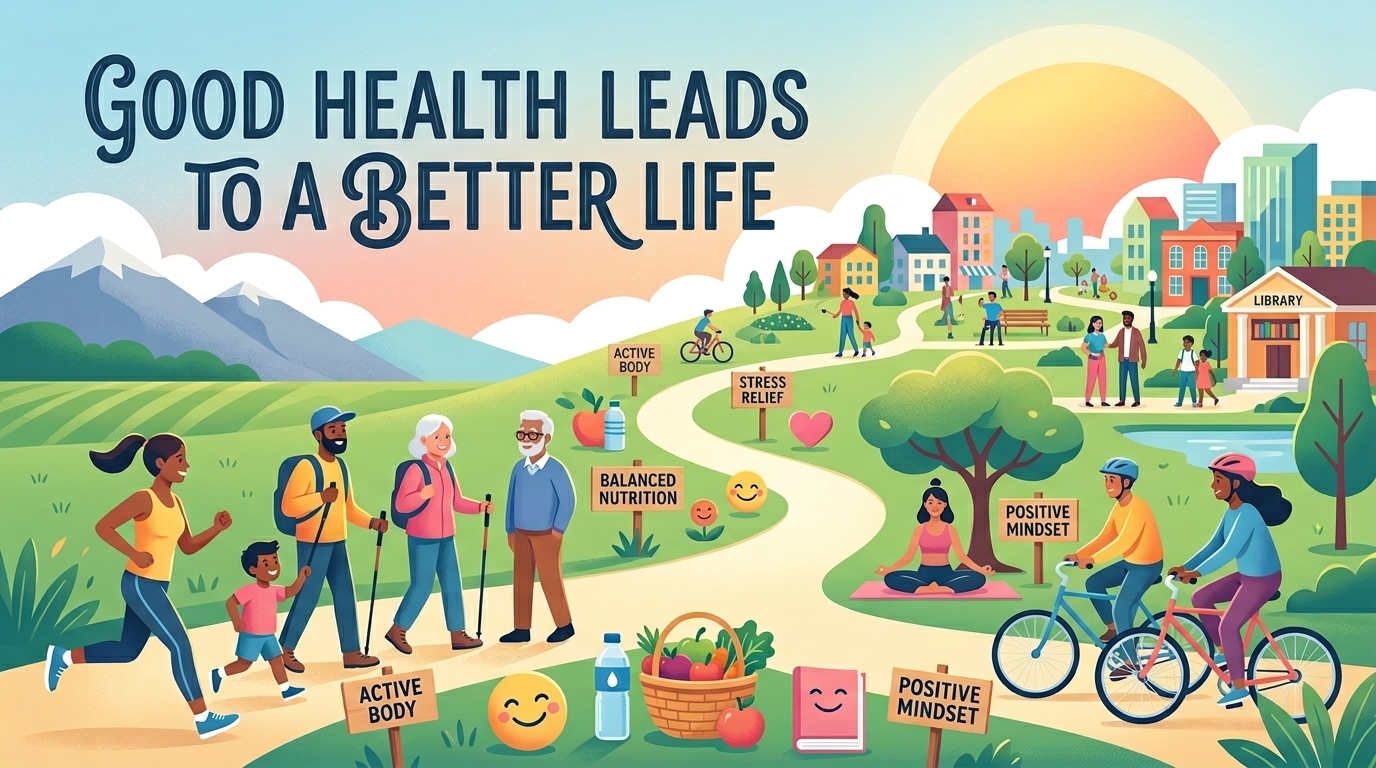
Good health is the foundation of a meaningful and productive life because it directly affects energy, mindset, and overall happiness. When the body and mind are well balanced, people can perform better in daily activities, make clearer decisions, and enjoy stronger relationships. Healthy living is not just about avoiding illness, but about building habits that support long-term physical, mental, and emotional well-being.
Balanced Nutrition for Daily Strength
Healthy Diet Planning
A healthy diet provides the body with essential nutrients needed for energy, growth, and repair. Including fruits, vegetables, whole grains, and proteins helps maintain strong immunity and stable body functions. Proper meal planning also reduces the risk of chronic diseases and improves overall vitality in daily life.
Hydration and Water Intake
Water is essential for digestion, circulation, and temperature regulation in the body. Drinking enough water daily helps maintain energy levels, improve skin health, and support organ function. Proper hydration also enhances concentration and prevents fatigue during physical and mental activities throughout the day.
Vitamins and Minerals Importance
Vitamins and minerals play a crucial role in strengthening bones, boosting immunity, and supporting metabolism. Nutrients like calcium, iron, and vitamin C are essential for maintaining health and preventing deficiencies. A balanced intake ensures the body functions efficiently and stays protected from illness.
Healthy Eating Habits
Developing healthy eating habits includes eating at regular times, avoiding excessive junk food, and controlling portion sizes. These habits help regulate body weight, improve digestion, and maintain steady energy levels. Consistency in eating behavior is key to long-term health improvement.
Balanced Energy Intake
Balancing calorie intake with daily activity levels helps maintain a healthy weight and prevents lifestyle-related diseases. Eating the right amount of nutrients ensures the body gets sufficient energy without excess fat storage, supporting overall physical fitness and well-being.
Physical Fitness and Exercise
Daily Exercise Routine
Regular exercise strengthens muscles, improves heart health, and boosts overall stamina. Activities like walking, jogging, and cycling help maintain physical fitness and reduce stress. Consistent exercise also supports mental clarity and emotional stability in everyday life.
Strength Training Benefits
Strength training improves muscle mass, bone density, and overall body strength. It helps in injury prevention and enhances physical performance. This type of exercise is essential for maintaining long-term mobility and functional independence.
Cardiovascular Health Activities
Cardiovascular exercises such as running, swimming, and aerobics improve heart and lung efficiency. These activities increase blood circulation, reduce the risk of heart disease, and support overall endurance and stamina in daily activities.
Flexibility and Stretching
Stretching exercises improve body flexibility, reduce muscle stiffness, and enhance movement range. Regular stretching also helps prevent injuries and supports better posture, making daily physical activities easier and more comfortable.
Active Lifestyle Choices
An active lifestyle includes moving regularly throughout the day instead of sitting for long periods. Simple habits like taking stairs or walking short distances improve overall fitness and support better long-term health outcomes.
Mental Health and Emotional Wellbeing
Stress Management Techniques
Managing stress is essential for maintaining mental balance and emotional stability. Techniques like meditation, deep breathing, and relaxation exercises help reduce anxiety and improve focus in daily life.
Quality Sleep Importance
Good sleep is vital for physical recovery and mental clarity. Proper rest improves memory, concentration, and emotional control. Lack of sleep can negatively affect productivity and overall health.
Positive Thinking Habits
Positive thinking helps reduce negativity and improves mental resilience. It encourages better decision-making, emotional strength, and overall happiness in life situations and challenges.
Work Life Balance
Maintaining a balance between work and personal life prevents burnout and improves mental health. It allows individuals to enjoy leisure time, relationships, and personal growth alongside professional responsibilities.
Emotional Support Systems
Having supportive friends and family improves emotional well-being and reduces feelings of loneliness. Strong relationships provide comfort, motivation, and stability during difficult times.
Preventive Healthcare Practices
Regular Health Checkups
Routine medical checkups help detect health problems early and prevent complications. Early diagnosis improves treatment success and ensures long-term wellness through timely medical intervention.
Vaccination Importance
Vaccinations protect the body from harmful diseases by building immunity. They are essential for preventing outbreaks and maintaining public health safety in communities.
Personal Hygiene Practices
Good hygiene habits like handwashing, bathing, and cleanliness prevent infections and promote overall health. Hygiene is a simple but powerful tool for disease prevention.
Disease Prevention Awareness
Awareness about common diseases helps individuals take preventive steps and make healthier lifestyle choices. Education plays a key role in reducing health risks.
Healthy Environment Maintenance
A clean environment reduces exposure to harmful bacteria and pollutants. Maintaining cleanliness at home and surroundings supports better respiratory and overall health.
Lifestyle Choices and Habits
Avoiding Harmful Substances
Avoiding smoking, alcohol, and drugs significantly improves long-term health. These substances damage organs and increase the risk of serious diseases.
Time Management Skills
Good time management reduces stress and improves productivity. Proper planning helps maintain a balanced lifestyle and supports mental well-being.
Daily Routine Structure
A structured daily routine improves discipline, reduces chaos, and supports healthy habits. Consistency helps the body and mind function efficiently.
Social Interaction Benefits
Positive social interactions improve mood, reduce stress, and strengthen emotional health. Human connection is essential for psychological well-being.
Healthy Recreational Activities
Engaging in hobbies and recreational activities improves mental relaxation and overall happiness. It helps balance work stress and personal life.
Healthcare and Medical Support
Access to Healthcare Services
Easy access to healthcare ensures timely treatment and improves survival rates. It plays a crucial role in maintaining community health.
Role of Medical Professionals
Doctors and healthcare workers guide patients toward better health through diagnosis, treatment, and preventive care. Their expertise is essential for recovery.
Health Insurance Importance
Health insurance provides financial protection during medical emergencies. It ensures access to quality treatment without financial burden.
Telemedicine Growth
Telemedicine allows remote consultation with doctors through digital platforms. It improves accessibility and convenience in healthcare services.
Medical Technology Advancements
Modern medical technologies improve diagnosis accuracy and treatment efficiency. Innovations support faster recovery and better patient care outcomes.
Why is good health important?
Good health improves energy, productivity, and overall quality of life.
How can I improve my daily health?
You can improve health through balanced diet, exercise, and proper sleep.
What are the benefits of exercise?
Exercise strengthens the body, improves heart health, and reduces stress.
How does mental health affect life?
Good mental health improves focus, happiness, and emotional stability.
What is preventive healthcare?
Preventive healthcare focuses on avoiding diseases through early action and healthy habits.
Conclusion
Good health is the key to a better and more fulfilling life because it supports physical strength, mental clarity, and emotional stability. By adopting healthy habits, regular exercise, proper nutrition, and preventive care, individuals can enhance their overall well-being. A healthy lifestyle not only prevents illness but also improves happiness, productivity, and long-term life satisfaction in every aspect.
