


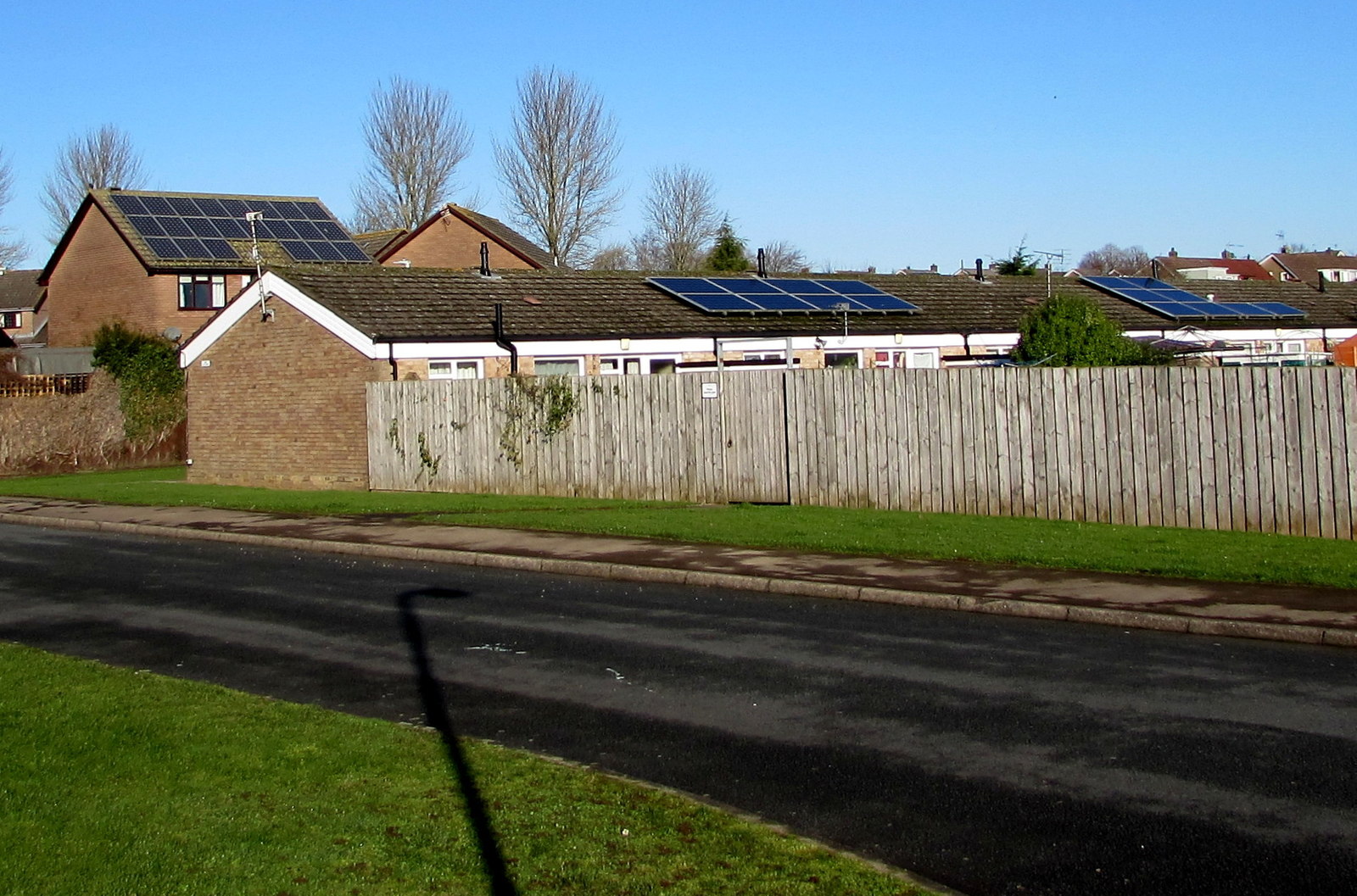
Rooftop solar has always had a timing problem. Panels generate most power at midday, when many homes use least, and nothing at the evening peak, when they use most. The surplus is exported to the grid, often cheaply, and bought back later at full price. Home batteries attack that mismatch directly, storing the midday surplus for the evening, and in doing so they change the arithmetic that decides whether solar pays for itself.
The shift is visible in installation patterns: batteries, once a hobbyist extra, are increasingly sold as the standard partner to panels, with smart controls that charge from the roof, the grid at cheap overnight rates, or both. Energy reporting collected at our homepage and by the Guardian’s environment desk shows households thinking less like generators and more like small power stations with a store attached.
The new payback calculation
Without storage, a household’s savings depend heavily on how much solar power it can use the moment it is generated, and on the export price for the rest. With a battery, self-consumption rises sharply, and every stored unit displaces electricity that would otherwise be bought at the evening retail price. Where time-of-use tariffs reward flexibility, the battery earns a second income by importing cheap power and avoiding dear periods, and a third where schemes pay homes to export at system peaks.
The equation still depends on local prices, roof orientation, battery cost and how a household actually lives. A home occupied all day uses solar directly and gains less from storage than one empty until evening. Installers who model honestly, using a family’s real consumption rather than flattering averages, say the honest answer is increasingly favourable, but households should be wary of payback promises that assume prices, tariffs and a battery’s capacity will all stand still for a decade.
What batteries do to behaviour and the grid
Owners describe a subtle psychological shift: with an app showing stored power, energy becomes visible, and usage migrates towards it. Dishwashers are timed for sunshine, electric cars are charged from the roof, and the evening peak flattens in thousands of kitchens at once. Aggregated across a street or a city, that behaviour is valuable to grid operators, who increasingly trial virtual power plants that coordinate home batteries to support the network during stress events, paying participants for the service.
The BBC’s business coverage of energy markets has tracked how such flexibility is becoming a commodity in its own right. There are caveats. Batteries degrade, warranties matter, and a system optimised purely for bill savings may cycle the battery harder than one balanced for lifespan. Fire safety standards and proper installation by certified fitters are not optional extras, however persuasive a salesperson sounds.
Who benefits, and who is left out
The new maths still starts with capital. Panels and a battery together cost more than many households can find, however good the long-term return, and renters remain largely excluded from a benefit that attaches to a roof they do not own. Policy responses under discussion include low-interest loans, community solar with shared storage, and requirements or incentives for new homes to be built storage-ready, so the retrofit premium disappears.
Even with those gaps, the direction is clear. Solar began as generation, a way to make power. Paired with storage it becomes something more consequential: control over when power is used, bought and sold. Households that once merely consumed electricity at a price set elsewhere are becoming participants in the market, one roof and one battery at a time.
The maths of rooftop solar used to be a single question about generation. Batteries have turned it into a richer calculation about timing, behaviour and independence, and for a growing number of households the sum now comes out in favour of the box on the wall as much as the panels on the roof.
