


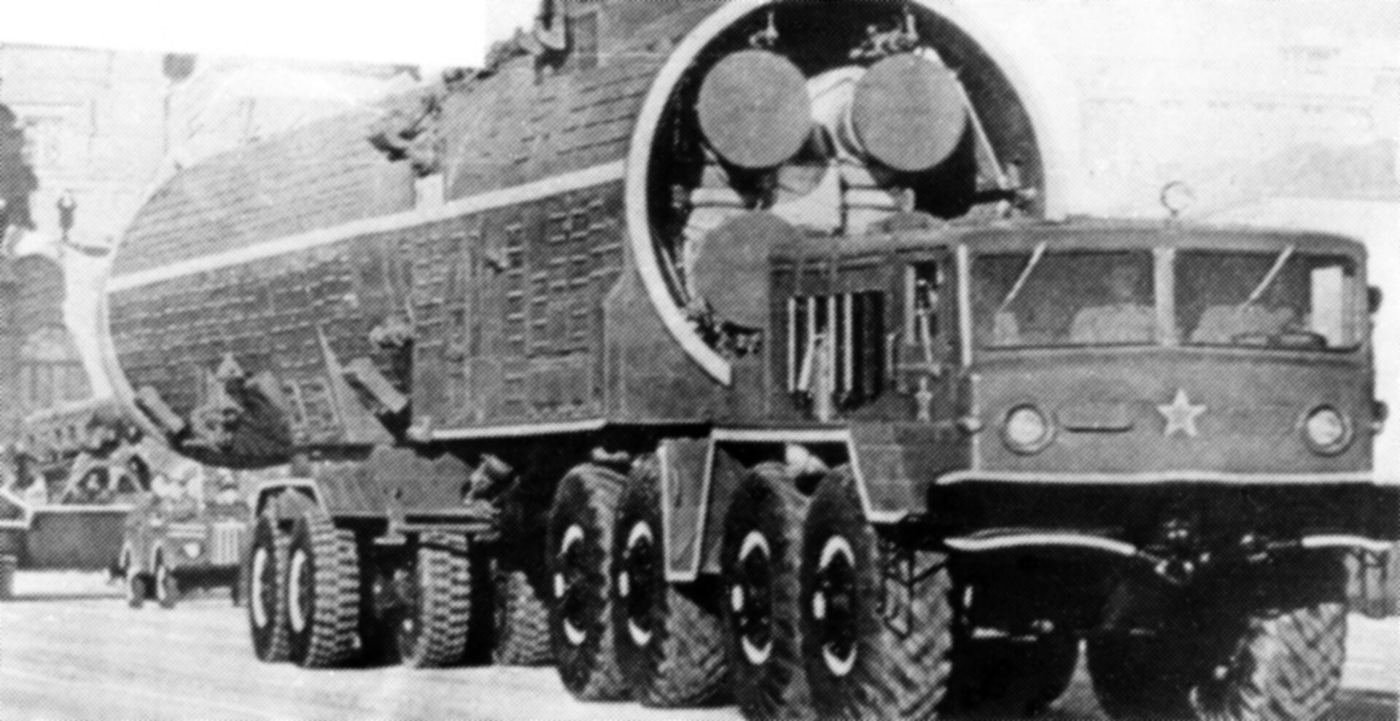
Iran unveiled a new dual-missile launcher in November 2026 capable of firing two liquid-fuelled missiles, a weapon its military presented as a fresh addition to the country’s arsenal. The announcement came at a tense moment in the region, with Iran and the United States trading blows since a conflict that began in February 2026 and drew in Israel and the Gulf states. Iran has repeatedly showcased new weapons in recent months, using the displays to signal that its missile programme continues despite American and Israeli strikes on its facilities. The launcher, designed to fire two missiles in quick succession, was presented as evidence that Iran’s engineers are still producing new systems.
What the Evidence Shows
The unveiling fits a pattern in which Iran answers military pressure with public displays of its arsenal, aiming the message at audiences at home and abroad. At home, the displays are meant to reassure a public living through airstrikes, economic hardship and the fear of wider war. Abroad, they are meant to warn adversaries that Iran retains the ability to strike back, even after its air defences and missile bases have been hit. The United States has struck targets inside Iran twice in November, while Iran says its latest attacks destroyed American radar systems in Bahrain, a claim Washington has not confirmed. With Qatar and Oman trying to broker a ceasefire, each new weapon display makes the diplomacy harder. Reporting and analysis from sources such as BBC News track the same developments, and specialists following Iran’s new dual-missile launcher say the direction is now consistent across independent lines of evidence.
The Wider Context
The wider context is a public conversation conducted at a speed institutions were not built for. Developments around Iran’s new dual-missile launcher are announced, contested and revised within a single news cycle, and the officials involved have learned to publish evidence alongside claims so that scrutiny can actually occur. Trust, the polling suggests, follows that transparency more than it follows confidence.
What Happens Next
What happens next in the story of Iran’s new dual-missile launcher will be decided in the places where it is being implemented, measured and argued about in public. The officials and organisations involved have committed to publishing progress data, and that commitment gives residents, businesses and journalists something firmer than promises to judge. The next milestones are dated, which means they can be checked. You can follow related developments in our coverage of news.
None of this will be settled by a single announcement, study or product launch. The pattern to watch is accumulation: independent confirmations, honest reporting of failures and steady improvement in the underlying numbers. Readers who follow those signals, rather than the loudest claim of the week, will understand this subject better than most of the commentary surrounding it suggests is possible.
