


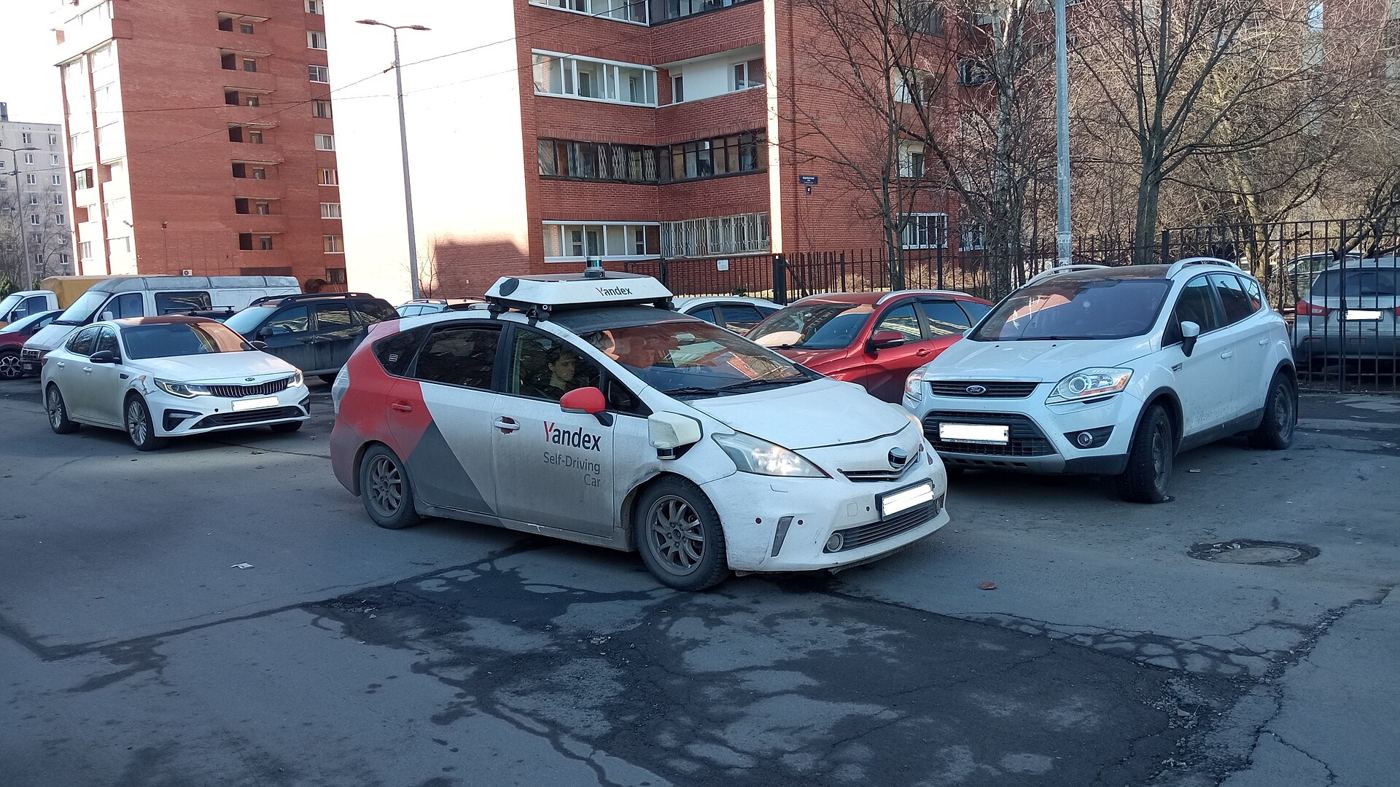
Driverless taxis built by Pony.ai and Toyota have entered fully driverless commercial service in Guangzhou, China, the companies announced on 16 November 2026. The vehicles, based on Toyota’s bZ4X electric SUV and fitted with Pony.ai’s seventh-generation self-driving system, are now carrying paying passengers with no safety driver on board. The partners say they are working toward deploying around 1,000 of the vehicles across major Chinese cities. The service builds on a joint venture the companies set up in 2023 with investment of more than one billion yuan. The first production bZ4X robotaxi was announced in February, but the November announcement marks the start of commercial operation.
What the Evidence Shows
The launch matters because China has become the world’s most active market for robotaxis, with several companies running driverless services in major cities. A partnership between a Chinese self-driving specialist and the world’s largest carmaker shows how the industry is consolidating around large fleets rather than small pilots. Toyota gains a route into the driverless market without building the technology alone, while Pony.ai gains manufacturing scale. The service will be watched for its safety record, since public trust is the biggest barrier to driverless cars. If the Guangzhou rollout goes smoothly, the partners say other Chinese cities will follow, though they have not yet named which city comes next. Reporting and analysis from sources such as IEEE Spectrum track the same developments, and specialists following the Pony.ai Toyota driverless bZ4X service say the direction is now consistent across independent lines of evidence.
The Wider Context
Adoption of the Pony.ai Toyota driverless bZ4X service follows a familiar pattern with an unfamiliar speed. Early users tolerate rough edges in exchange for advantage, mainstream users arrive when the tool disappears into existing workflows, and the market consolidates around whoever made that transition feel effortless. Vendors are racing less on raw performance now than on integration, support and trust.
What Happens Next
The realistic forecast for the Pony.ai Toyota driverless bZ4X service is steady integration rather than sudden replacement: embedded in products people already use, improving in increments, and regulated in proportion to its reach. The companies and institutions that plan on that basis, training staff and redesigning processes instead of chasing launches, are the ones the adoption data tends to vindicate. You can follow related developments in our coverage of technology.
It is also worth remembering how quickly the picture in this area has changed before. Positions that looked settled a few years ago have been revised as new data arrived, and the same humility is appropriate now. The strongest coverage of this subject, and the most useful advice, tends to come from sources that update their views openly when the facts move, rather than defending an earlier position long after it has stopped fitting the evidence available.
